Learn More About Kava:
What is Kava?
Kava, or Piper methysticum, is a plant native to the South Pacific and part of the pepper family. This low-growing shrub has been cultivated for generations, with over 100 known strains — each offering slightly different effects. The roots and base of the plant are traditionally ground and steeped into a drink. The active compounds, called kavalactones, are known to support both mental calm and physical ease. For centuries, Pacific Island cultures have incorporated kava into ceremonies, community gatherings, and wellness practices.
What is Kava Used For?
Kava is more than just a traditional island drink—it’s a functional, plant-based beverage that fits into modern wellness routines. Here’s how people use it today:
Social Boost – Promotes a relaxed, open state of mind that’s perfect for winding down with friends.
Lift Your Mood – Known to support emotional balance and help you feel more at ease.
Ease Anxiety – May help calm the nervous system and reduce feelings of tension.
Muscle Relaxation – Naturally relieves physical tightness without making you feel sluggish.
Workout Recovery – Supports the body’s recovery process after intense physical activity.
No alcohol. No crash. Just a smooth, natural way to unwind and feel more connected—mentally and physically.
Where Is Kava Found?
Kava is a tropical perennial plant native to the South Pacific, commonly grown in places like Fiji, Samoa, Tonga, Vanuatu, and Hawaii. It thrives in warm, humid climates with rich soil and consistent rainfall — ideal conditions for producing strong, healthy roots used in traditional kava preparation.
Original Uses of Kava:
Kava holds deep cultural and historical importance across the South Pacific—far more than just a drink.
Traditionally, it’s been used for both spiritual and practical purposes. Healers and elders have long turned to kava for its calming and soothing effects, especially to ease stress, restlessness, and sleeplessness. Its natural ability to relax the body also made it a go-to remedy for muscle tension—something still appreciated today.
Kava also played a key role in community life. In village meetings, it was shared to help settle disputes peacefully. Instead of heading into conflict, opposing groups would sit together, drink kava, and try to talk things out—often with successful outcomes.
Beyond its ceremonial roots, kava became a staple at meaningful life events like weddings, births, and funerals. In many island cultures, presenting kava at a wedding symbolizes unity and the joining of families—a tradition that continues to this day.
What Does The Science World Say?
To better understand kava’s uncanny ability to relax your mind and muscles, you must first understand the science of kava’s active ingredient–kavalactones. Concentrated in kava’s roots, kavalactones are responsible for kava’s calming, bad mood-busting qualities. Kavalactones interact with the body’s limbic system of the brain, notably the amygdala. The amygdala helps regulate emotions, which is why many people experience a sense of clear-minded calm when drinking kava.
Kava’s Move to the U.S:
Kava first appeared in the U.S. during the early 1900s, where it was sold in pharmacies and used in various tinctures and capsules for its medicinal benefits. It was commonly used to address conditions like kidney problems, anxiety, and even gonorrhea. By the 1990s, interest in kava surged as studies and pharmaceutical brands began promoting it as a natural remedy for stress and anxiety.
In more recent years, kava culture has taken off across the country, with the first American kava bars emerging in Florida in 2002. Since then, these social lounges have grown in popularity, offering a unique alternative to alcohol-based venues.
In an interesting turn of events, a wild form of kava was discovered in Louisiana wetlands in 2017 by two botanists. While the origin of this plant is still under study, it’s believed that it may have arrived from French Polynesia, brought over by European explorers settling in the region.
Kava in Cultural Ceremonies:
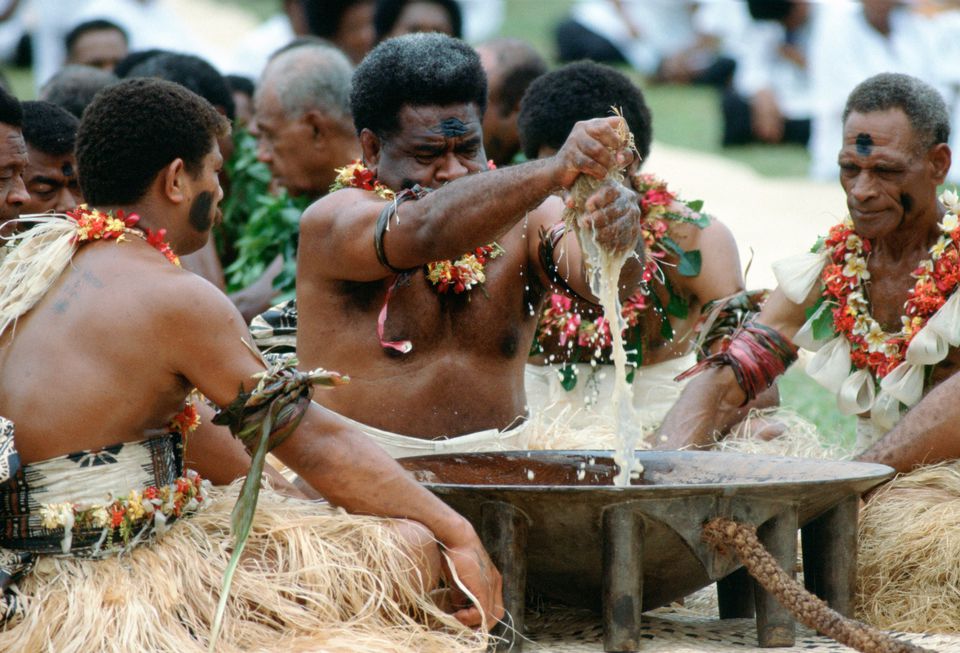
Kava has long held deep ceremonial importance across the Pacific Islands, often playing a central role in significant cultural events. Traditional kava ceremonies are typically held during the inauguration of community leaders, the formalization of agreements, or the honoring of esteemed guests. In Tonga, for example, a kava ritual is a required part of crowning a king or conferring a noble title.
Though ceremonial practices can vary slightly from island to island, many customs remain consistent. Kava is usually served in a half coconut shell—called a bilo in Fiji—or from an ornately carved wooden bowl known as a tanoa (Fiji) or kumete (Tonga). Participants gather in a circle, and the ceremony is conducted in order of social rank. The highest-ranking individual drinks first, often followed by a single clap. The process continues around the circle until all have taken part in the ritual
How Is Kava Made?
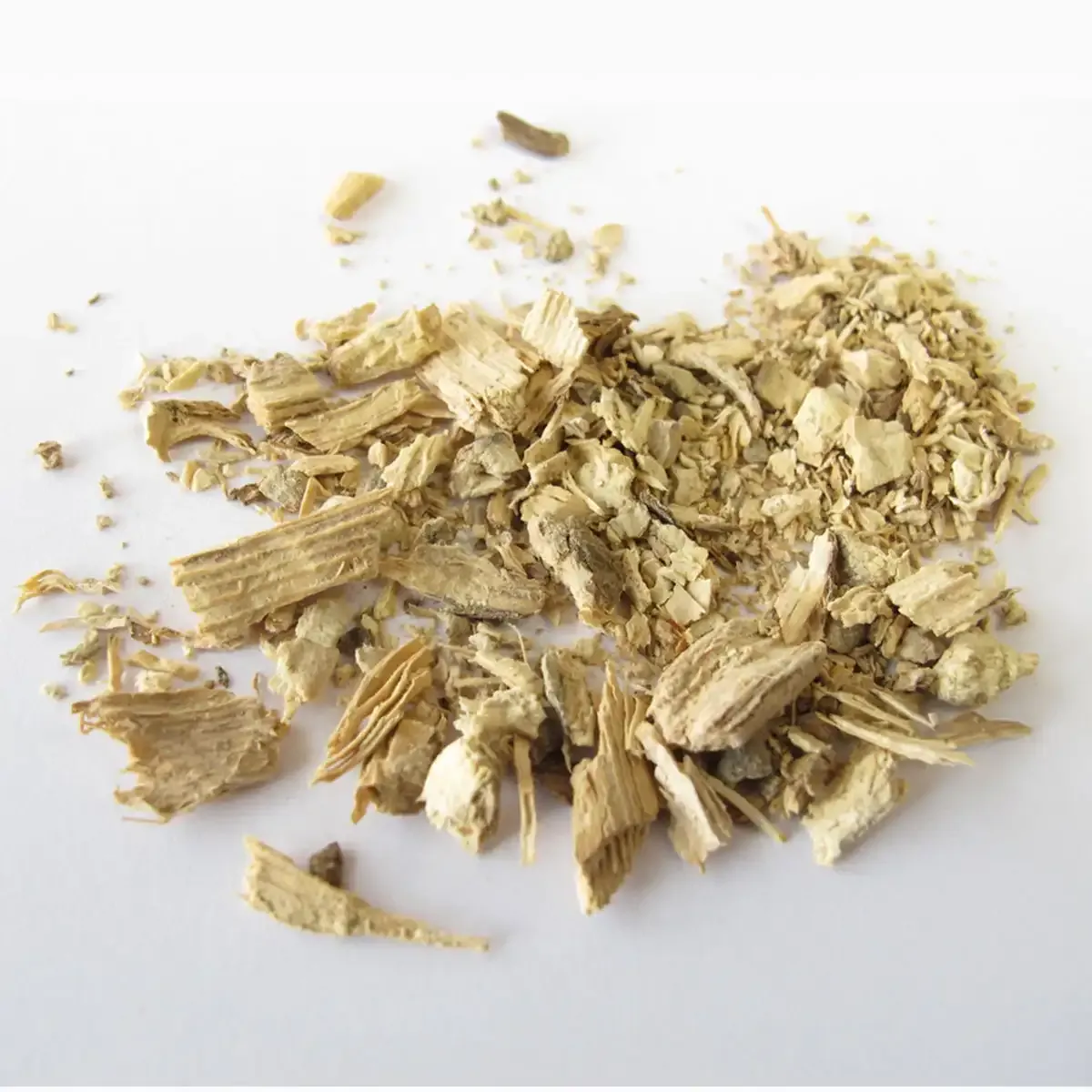
Kava has been used for centuries in the South Pacific, traditionally prepared by grinding dried roots into a powder and mixing with water to create a relaxing, ceremonial drink. Today, the process has evolved—maintaining tradition while embracing clean, modern extraction techniques.
Kava is propagated from stalk cuttings, not seeds. Farmers plant these in rich, tropical soil and allow the plants to grow for 3–5 years. This long cycle ensures full development of kavalactones—the active compounds that promote calm and mental clarity.
When ready, the kava root (especially the lateral roots, which are richest in kavalactones) is carefully harvested, washed, and sun- or air-dried. It is then ground into a fine powder for further use.
Instead of using solvents, we rely on CO₂ extraction—a food-grade, clean method that captures the kavalactones without unwanted residues. This ensures purity, consistency, and maximum effectiveness in every can.
Most of our kava is sourced from small family farms in Vanuatu—home to some of the highest-quality noble kava in the world. This supports local communities and guarantees care at every step.
Noble Vs. Tudei Kava:
While there are over 100 types of kava, they all fall into two main categories: Noble kava and Tudei kava.
Tudei kava (pronounced “two-day”) is known for its long-lasting effects—sometimes lingering for up to 48 hours. Traditionally used in ceremonial or medicinal settings, Tudei varieties contain higher levels of certain kavalactones (like DHK and DHM), which can cause unwanted side effects like nausea, grogginess, or lingering heaviness. That’s why it’s generally not recommended for regular or casual consumption.
Noble kava, on the other hand, is recognized for its balanced profile and smoother effects. With a long history of being consumed in everyday settings across the South Pacific, Noble kava is known to promote calm, clarity, and relaxation—without the foggy after-effects. Its kavalactone makeup makes it a preferred choice for modern consumers looking for a clean, consistent, and enjoyable experience.
At Abliss, we exclusively use lab-tested Noble Vanuatu Kava—carefully selected for quality, purity, and consistency. Our goal is to deliver a product you can trust, rooted in tradition but designed for modern wellness.
Reverse Tolerance: Myth or Legit?
Many kava drinkers—especially those new to it—report a phenomenon known as reverse tolerance. This means it may take a few servings before the full effects are felt. While some people feel calm or uplifted after their first cup, others notice that the effects gradually become more noticeable over a few sessions.
Scientifically, there isn’t yet a definitive explanation for why this happens, but a few theories include:
Adaptation: Your body may need time to adjust to how kava’s active compounds, called kavalactones, interact with your nervous system.
Absorption: Some researchers suggest that repeated use might help the body absorb and process these compounds more effectively.
Individual differences: Factors like metabolism, gut health, or even what you’ve eaten that day may influence how quickly you feel the effects.
While reverse tolerance hasn’t been fully proven in clinical studies, it’s widely experienced and accepted in the kava community. Everyone’s body is different, so we recommend starting slow and giving your system a chance to become familiar with this unique plant.
Learn More About THC / Delta 9:
What is Delta 9?
Delta 9, more formally known as Delta-9-tetrahydrocannabinol (Delta-9-THC), is a cannabinoid molecule in cannabis that’s long been recognized as the main psychoactive ingredient—that is, the substance that causes the ‘high’ feeling associated with marijuana. However, when infused in small, regulated amounts into teas, it can offer a relaxing experience without the intense psychoactive effects.Lorem ipsum dolor sit amet, consectetur adipiscing elit. Ut elit tellus, luctus nec ullamcorper mattis, pulvinar dapibus leo.
What is Delta 8 and how does it compare to Delta 9?
Delta 8, or Delta-8-tetrahydrocannabinol (Delta-8-THC), is another cannabinoid found in cannabis. It is chemically similar to Delta 9 but tends to produce a milder psychoactive effect, often described as more clear-headed and less anxiety-inducing. Delta 8 provides many of the same benefits as Delta 9, such as relaxation and mood enhancement, but with a slightly different experience. While Delta 9 is more well-known for its potency, Delta 8 is appreciated for its smoother and more manageable effects.
What are the benefits of Delta 9-infused teas?
Delta 9-infused teas combine the therapeutic benefits of tea with the relaxing and mood-enhancing properties of Delta 9. These benefits can include reduced anxiety, improved sleep patterns, enhanced mood, and alleviation of certain types of pain. The specific benefits can vary depending on the amount of Delta 9 and the type of tea used.
How is Delta 9 infused into the tea?
Delta 9 is infused into our teas through a careful process that ensures an even distribution of the compound in each can. We use a proprietary method to blend Delta 9 with natural tea leaves, ensuring that the active ingredients are preserved and effective, providing a consistent experience with every can.
What makes your Delta 9-infused teas all-natural?
Our Delta 9-infused teas are made from 100% natural ingredients, including organically grown tea leaves and natural Delta 9 extracted from sustainably sourced cannabis plants. We avoid synthetic additives and pesticides, ensuring that every cup you enjoy benefits your well-being and is also kind to the environment.
Is Delta 8 Federally Legal?
Despite the stigma associated with Delta 9 THC, Delta 8 THC is federally legal and legal in most US states, thanks to the 2018 Farm Bill. This bill legalizes all hemp derivatives, isomers, and cannabinoids, as long as the final product contains less than 0.3% Delta 9 THC. Delta 8 THC, an isomer of CBD, can be extracted from hemp and is found in our products within the legal limit.
The 2018 Farm Bill also amends the Controlled Substances Act, explicitly removing all tetrahydrocannabinols found in hemp.
Please note, this information is for informational purposes only and does not constitute legal advice. Laws can change frequently, so we recommend conducting your own research and consulting a legal professional to ensure compliance with your local laws.
For more information you can read the AGRICULTURE IMPROVEMENT ACT OF 2018 – SUBTITLE G—HEMP PRODUCTION
More Information: Safety & Legal